What is a Tracking Pixel?
A Tracking Pixel is a type of image that is used in digital advertising. It produces a unique code that lets you see how many people have seen or interacted with your advertising campaign. Tracking Pixels are often used in banners, text ads, videos, social media and other similar types of advertising. In addition to generating useful data, they can also be used to track links or redirect visitors to other pages. Typically, the pixel is a 1×1 transparent GIF image or a small JavaScript snippet. It is invisible to human users but provides analytics. Popular examples are the Meta Pixel (often paired with Meta’s server-side Conversions API) and the Google tag used by Google Analytics 4 and Google Ads.
What is a Postback URL?
Postback URL is a method of communication between a website and a third-party web service. It is typically used by performance marketers and affiliate marketers to send performance-related data to a web service. It’s also used by website owners to send data to a third-party service for other purposes. Postback URL tracking is also known as cookie-less tracking.
Why are Postback URLs important?
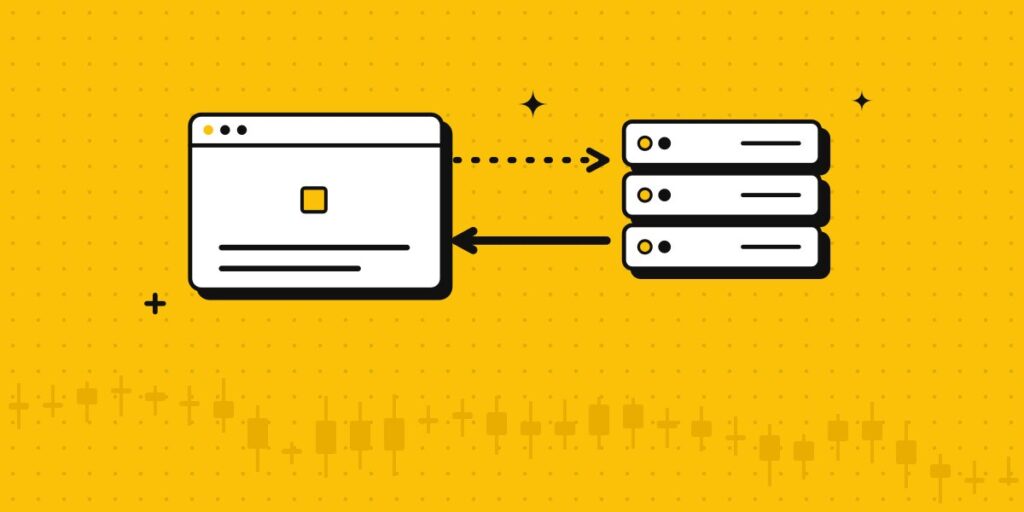
Postback URLs are a powerful performance marketing tool for tracking the effectiveness of your advertisement campaigns. When a visitor clicks your link, a unique click ID is passed along. If that visitor converts, the advertiser’s or network’s server calls your postback URL and sends the click ID back, so you know exactly which click converted. These postbacks allow you to track the effectiveness of your campaign in specific areas and how your product will reach the intended market. With the proper use of postback URLs, you can improve several aspects of your campaign, including ad delivery and content interest. Postback is similar to pixel tracking but has several differences.
Postback vs Tracking Pixel
There are two main ways to track conversions on a website: postbacks and tracking pixels. Postbacks are more accurate but require more work to set up. Tracking pixels are easier to set up, but are less accurate. In practice, many setups today combine both: a browser pixel plus a server-side connection such as Meta’s Conversions API or Google’s enhanced conversions. Postbacks involve the website sending a notification to the affiliate network whenever a conversion occurs. This notification includes information about the conversion, such as the amount of money spent. The affiliate network then forwards this information to the affiliate. Tracking pixels involve the website placing a small piece of code on the confirmation page that is shown to the user after they have completed a conversion. This code is a 1×1 pixel image that is invisible to the user. When the code is loaded, it sends a notification to the affiliate network, which then forwards the information to the affiliate. So, which is better? It depends on your needs. If accuracy is more important to you, then postbacks are the way to go. If ease of setup is more important, then tracking pixels are the better option.
Why is postback tracking useful?
Postback tracking is useful because it allows you to see which advertising campaigns are resulting in conversions. This information can be used to optimize your campaigns and ensure that you are getting the most return on investment. Additionally, postback tracking can help you identify which channels are driving the most conversions, so you can allocate your resources accordingly.
Unlike pixel tracking, which requires a confirmation (thank-you) page after a user submits a form, postback tracking uses a unique ID generated from the click on a link. This unique ID is passed through the network to the advertiser and then passed back to the affiliate’s tracker through the postback URL. This makes postback tracking more accurate, secure, and flexible.
Postback URLs can be used to track leads, sales, and conversions. Postback tracking is a safe way to track conversions and is much more reliable than pixel tracking. It is more effective because it is server-side, which means that it is not affected by the visitor’s browser. Most affiliate platforms used by brokers and exchanges (such as CellXpert, MyAffiliates or Income Access) offer postback URL tracking, which is a great way to increase the performance of your affiliate campaigns.
Tracking tools such as Voluum, RedTrack or LinkTrackr have postback tracking built in. This means that you do not have to go through technical support to set up this type of tracking. Similarly, many affiliate networks provide postback URL templates that you can use for easy tracking. If you do not have access to these resources, you can contact the affiliate network to set up your postback URL.
Summary | Which tracking solution is better?
At pipmetrix, we always recommend postback tracking if possible. However, not every affiliate needs postback tracking. If you are mainly using organic traffic with a low volume, pixel tracking should be sufficient until your volume grows.
Use pixel tracking if
- You are just starting out and do not have a lot of traffic
- You do not know how to integrate postback tracking
Use postback tracking if
- You want tracking that is far less affected by ad blockers, Safari’s tracking prevention and iOS app tracking rules (click IDs are still personal data under the GDPR, so handle them accordingly)
- You want to track users who are being sent directly to your partner’s landing page (PPC traffic)
- You want to use automated marketing software to handle your campaigns